Generasi 3.0 – The Stories We Carry
- Date:
- Location: Fotomuseum Den Haag
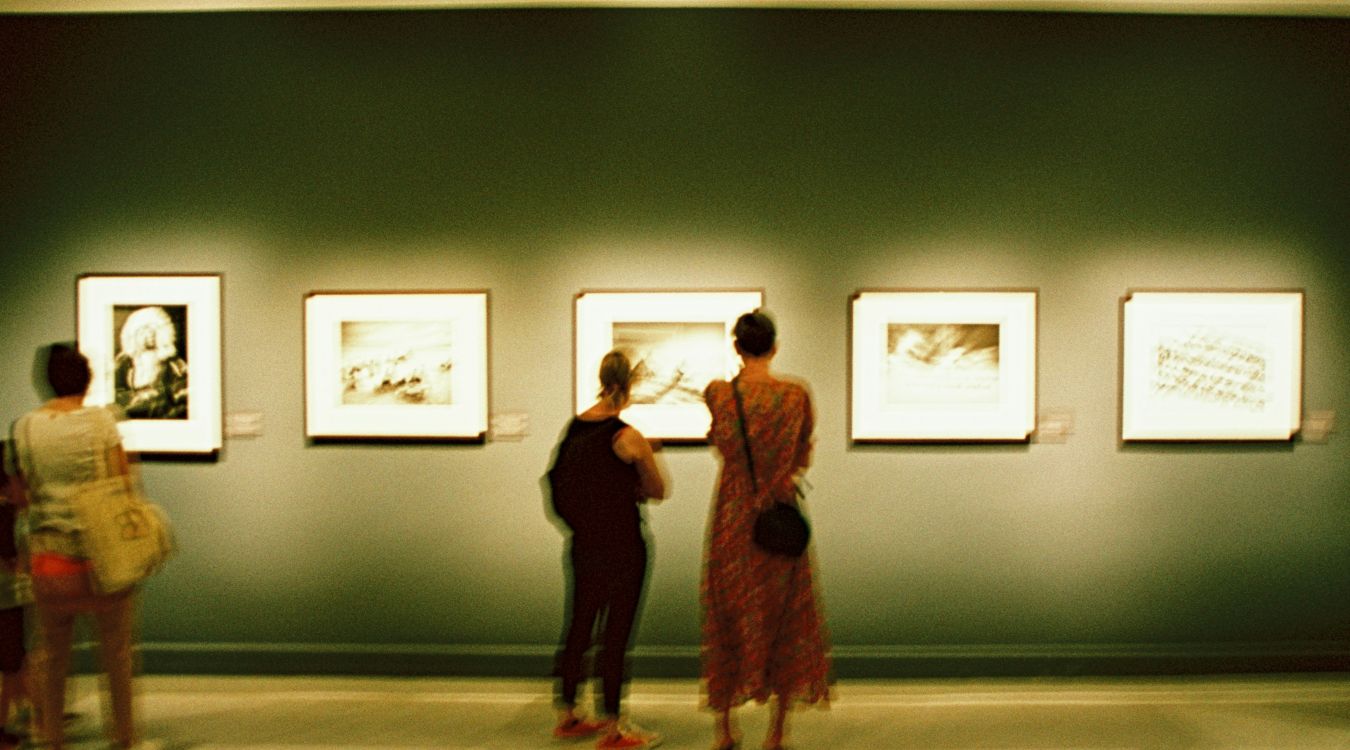
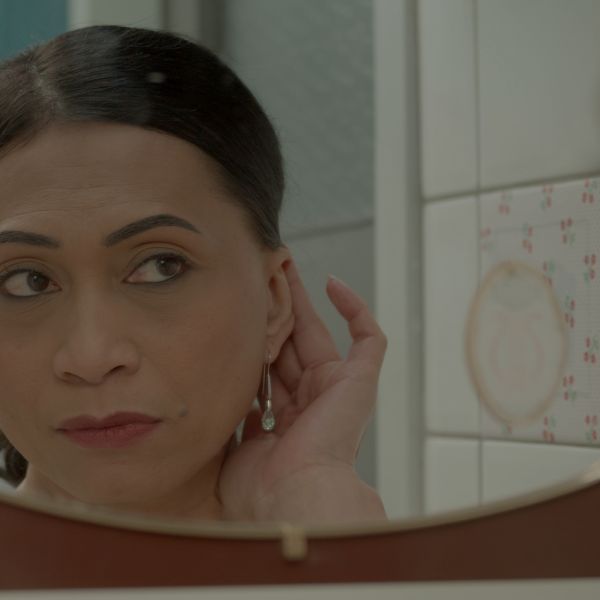
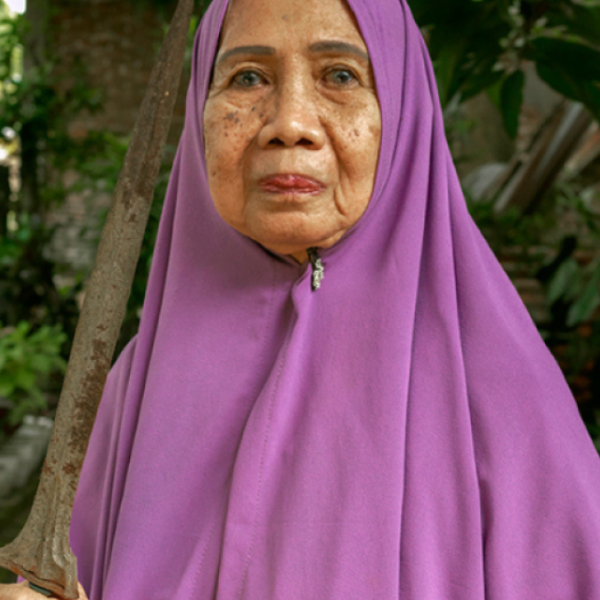
How do you deal with a family history that is closely intertwined with our colonial past? In the exhibition Generasi 3.0 – The Stories We Carry, nine photographers, artists, and creators delve into their family histories that trace back to the former colony of the Dutch East Indies. The search for a deeper understanding of their origins is not only of individual value. Their stories also contribute to a broader social conversation about the centuries-long colonization of the Indonesian archipelago by the Netherlands, touching on painful themes such as slavery, war, forced migration, and violence.
All the creators belong to the third generation: born in the Netherlands, with roots in the former colony. Many of their (grand)parents were born there or worked there and at some point in their lives—whether forced or not—came to the Netherlands. With more distance from the painful events of the colonial period, the third generation explores what role their family history plays in their lives—and how it shapes who they are today.
Generasi 3.0 – The Stories We Carry will be on view from October 11, featuring works by Caja Boogers, Sander Coers, Yara Jimmink, Miranda Devita Kistler, Sebastian & Tyler Koudijzer, Ilvy Njiokiktjien, Sekan, and Maarten Tromp. Through this exhibition and its public program, Fotomuseum Den Haag aims to contribute to the visibility of and dialogue about these histories.
“When you realize that about two million Dutch people have roots in the former Dutch East Indies, you understand how essential it is to provide space for other perspectives on this layered history. Especially in The Hague, a city that has always been closely connected to the former Dutch East Indies.”
— Margriet Schavemaker, Director of Fotomuseum Den Haag / Kunstmuseum Den Haag
“My generation and I are looking at the colonial past with a new perspective—not as a closed chapter, but as something that still resonates in identity, families, and cultural representation.”
— Nienke Coers, guest researcher for Generasi 3.0 – The Stories We Carry
Family photos as a starting point
The exhibition unfolds as a journey through the personal stories of the participating artists. Often, a tangible trace becomes the entry point into something more elusive: a memory, a sense of loss, or a feeling of connection. For Caja Boogers, Sander Coers, and Ilvy Njiokiktjien, family photo albums form the starting point of their exploration. What value does a photo hold when the memory is gone? Photographs taken more than a hundred years ago lead Ilvy Njiokiktjien to a house on the Laan van Meerdervoort in The Hague. Her Chinese-Indonesian grandfather was sent there at a young age to be raised by a German-Dutch couple.
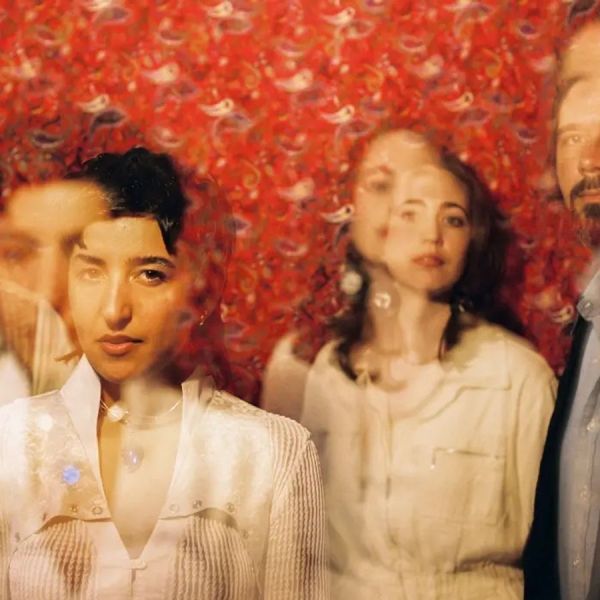
Sander Coers creates so-called phantom memories using artificial intelligence. He feeds an AI algorithm with material from his family archive and photographs taken during his travels to the Moluccas. These new images are not direct references to real moments but rather form an associative landscape of memory.
Caja Boogers selected several photographs from an old family album and public archives as the basis for his paintings. On his panels, he depicts only details—a mouth, a hand, a batik pattern. In doing so, he makes the idea of a fragmented memory tangible and explores the role of nostalgia within it.
Economic legacy
How do you navigate between the worlds of colonial enrichment and oppression? Yara Jimmink, born in Amsterdam with roots on the Banda Islands, shows how Banda and the Netherlands are inextricably linked through the 17th-century nutmeg trade. The wealth the Dutch East India Company (VOC) derived from it—and which remains visible in Amsterdam today—came at the cost of extreme violence against the local population. Jimmink works with private photographs and archival materials, layering them to expose the ongoing effects of colonialism.
Maarten Tromp also focuses on this economic legacy. His great-grandfather led a Dutch expedition to the Carstensz Mountains in Dutch New Guinea (now Papua) in 1936, where an ore deposit was discovered. This discovery eventually led to the establishment of the Freeport mine in the 1970s—then the largest gold mine in the world—under Indonesian administration. Since 2010, Tromp has traveled several times to Papua. Against the backdrop of extractivism as part of the colonial system, he focuses on local communities and their relationship with the land. In this exhibition, he presents one of these stories for the first time.
What remains
Swiss-Indonesian artist Miranda Kistler draws a parallel between memory and erosion. Just as the shape of rock formations along the Rhine between Switzerland and the Netherlands is shaped by the flow of the river and human intervention, memories too are subject to time. On a woven fabric suspended freely in the exhibition space, she presents a photograph from her grandmother’s album. These albums have been damaged by water due to the recurring floods in the region of Java where her grandmother lives.
In The Sugared Enterprise, brothers Tyler and Sebastian Koudijzer trace their Javanese-Surinamese roots. In 1972, their grandparents Watinie and Iksan left their native Suriname to settle in the Netherlands. Their family history is deeply intertwined with the system of indentured labor that brought Javanese migrants to Suriname after the abolition of slavery. In 2023, the brothers traveled back with their grandparents in search of the places and stories that shaped their history. They document this journey through photography, spoken word, and archival material. During the opening evening, they will perform a short version of their theater show.
Finally, the exhibition features work by DJ and artistic researcher Sekan. For this, the gallery space has been transformed into an auditory experience. Visitors can hear a curated selection of music in which old and new sounds from the Indonesian archipelago and its diaspora enter into dialogue—from protest music from West Papua and rock from Moluccan neighborhoods to Javanese-Surinamese funk. In this intimate listening experience, music becomes a form of heritage, resistance, and collective memory, bridging stories, memories, and worlds.
Public program
The public program explores what the perspective of the third generation adds to the conversation about the present and future of this shared past. The program is developed in collaboration with Museum Sophiahof – From the Indies to the Present and various partners from the involved communities. It kicks off during Museumnacht Den Haag on October 11 with the festive opening of the exhibition. At Museum Sophiahof, a special outdoor exhibition will be on view this autumn featuring the work of Moluccan photographer Otto Tatipikalawan, created in the 1980s and 1990s, portraying Moluccan communities in the Netherlands. The exhibition is curated by Museum Maluku.
The public program is organized in collaboration with Museum Sophiahof – From the Indies to the Present. The exhibition and public program are made possible with support from Vfonds and the Mondriaan Fund.
Fotomuseum Den Haag
Stadhouderslaan 43
2517 HV Den Haag Sign Up