How I experienced the Just Peace Open Day
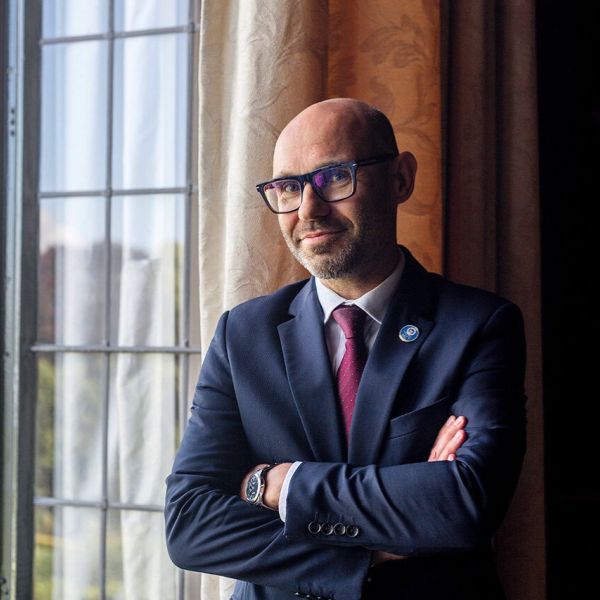
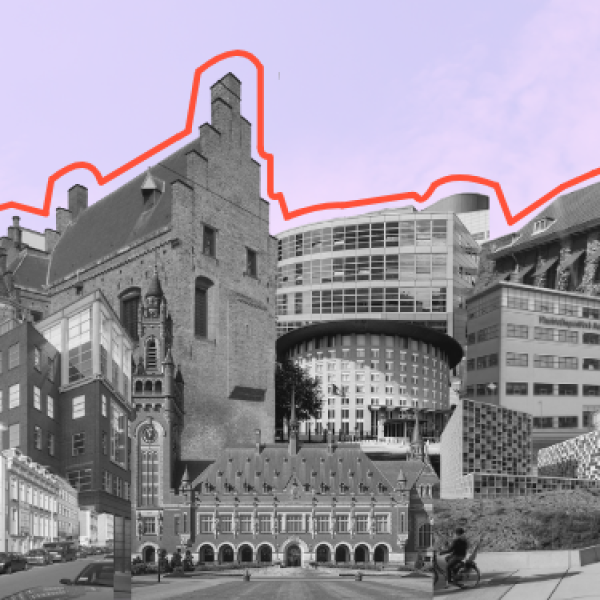
Last Sunday, on the International Day of Peace, institutions around the city opened their doors to the citizens of The Hague. Buildings which are all too familiar as landmarks of the city skyline took on a new meaning to visitors, as people young and old had the chance to learn about what really happens inside their walls. This is how I, Emily Garnett, experienced the Just Peace Open Day.
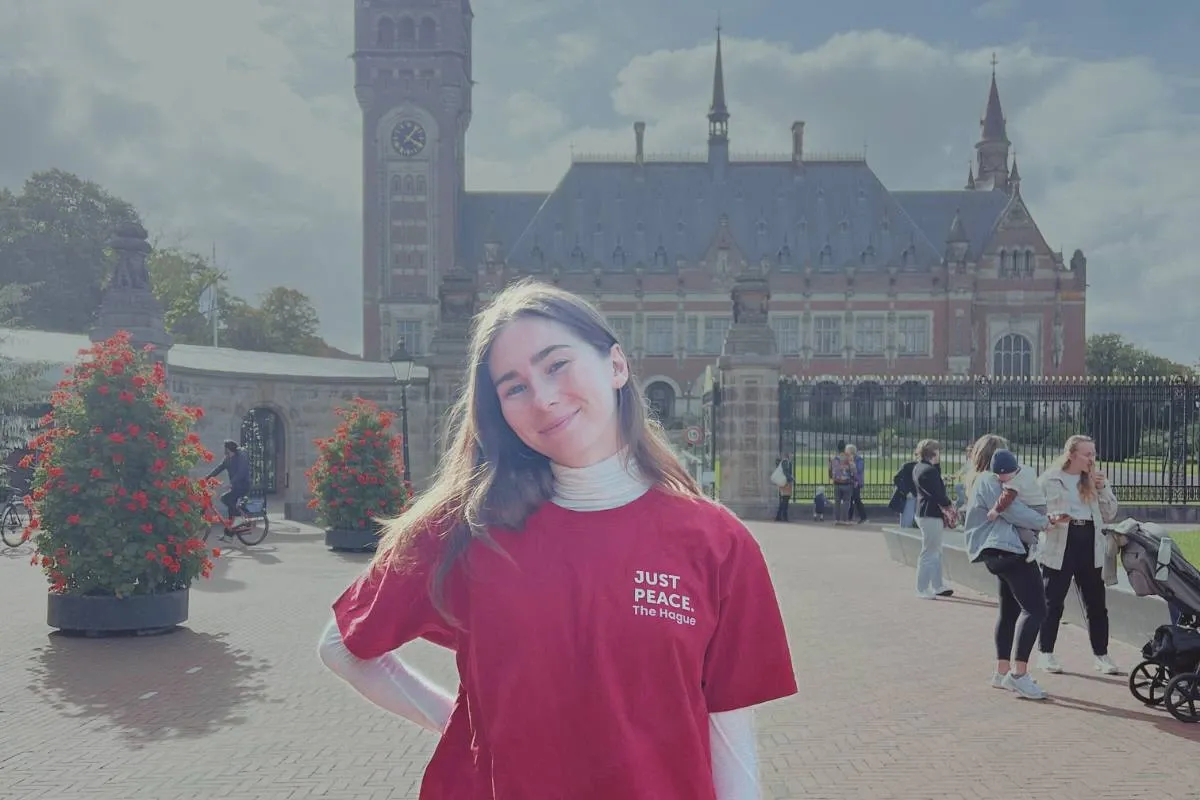
Emily in front of the Peace Palace in The Hague.
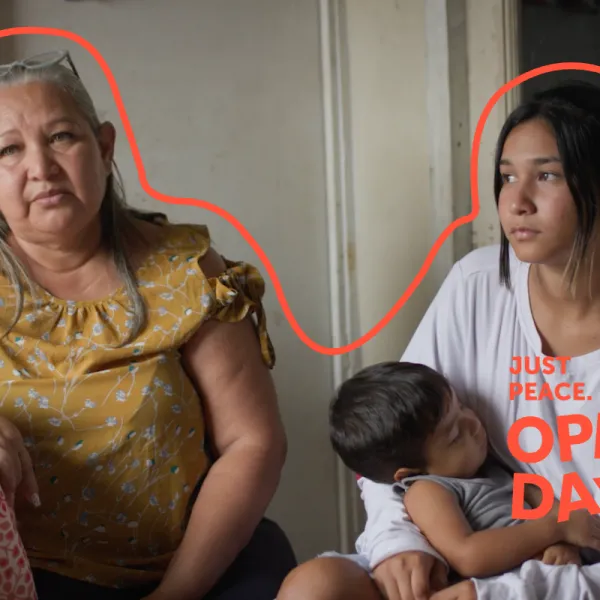
Despite the rain clouds which threatened to saturate us before the day had even begun, a long line of visitors trailed the entrance to the Organisation for the Prohibition of Chemical Weapons (OPCW). Huddled underneath what little shelter the visitor's reception offered, residents of The Hague queued patiently for their chance to look inside the renowned United Nations institution. Passersby stopped on their morning walks, asking members of the crowd what we were all queueing for.
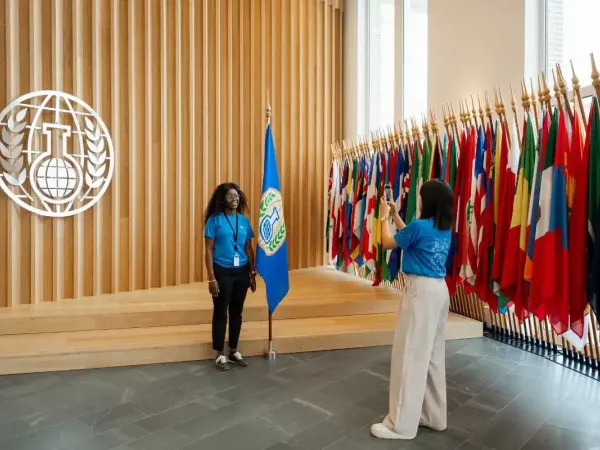
"What was most special about the Open Day, for me, was the feeling of being connected to the world history of peace and justice development, through the city in which I live."
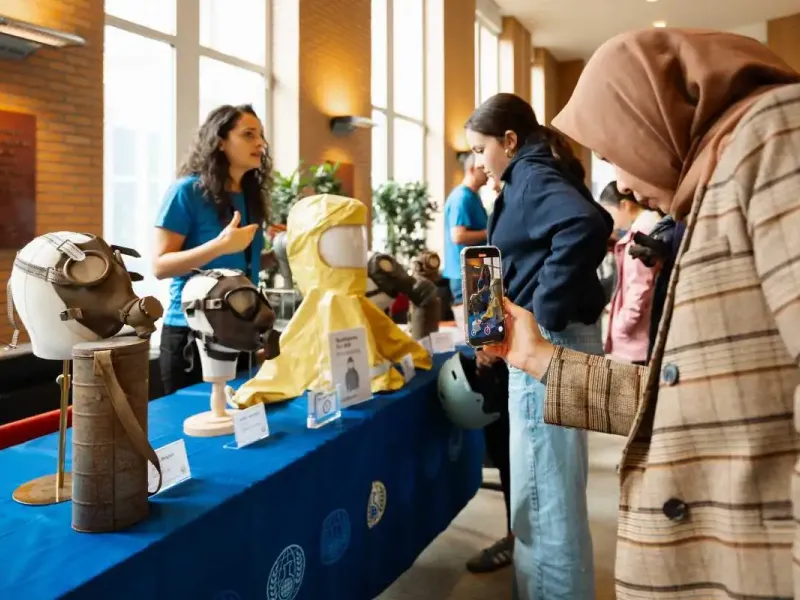
Once inside, the OPCW offered informational sessions about the implementation of the Chemical Weapons Convention, a guided tour through its Memorial Gardens, a demonstration of OPCW inspection techniques (complete with PPE equipment), and displays of real chemical weapons – many more of which are found by the OPCW every year. Children stood captivated by the bright blue hazmat suits, and adults questioned curiously about the diversity of work being done at the OPCW.
As the sun started to clear, we got on our bikes and headed over to the International Criminal Court. After making it past security we moved towards the famous blue and white tiled building, passing over a bridge above a crystal-clear body of water. In the visitor's centre, we heard the stories of victims of the most serious crimes to the international community, and what justice through the ICC meant to them.
"From questions about how judges are selected to why some cases are opened, it was moving to see the public so interested in understanding what exactly happens inside the renowned institutions of our city, and to see them getting the chance to find out for themselves."
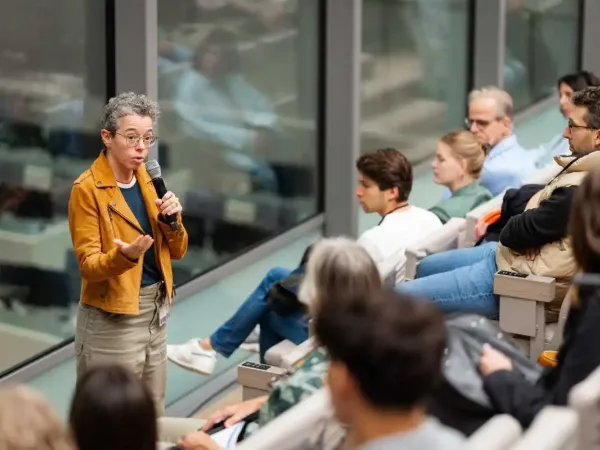
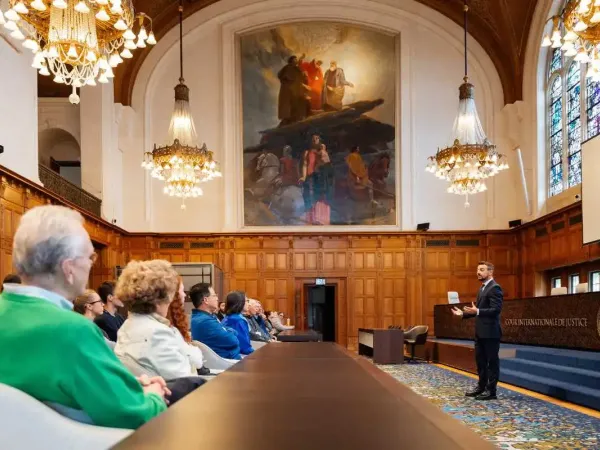
A highlight was the Q&A session in the main courtroom, where citizens could ask their questions directly of the ICC staff. From questions about how judges are selected to why some cases are opened (and others not), it was moving to see the public so interested in understanding what exactly happens inside the renowned institutions of our city, and to see them getting the chance to find out for themselves.
"Sitting in the Oranjehotel in the now-clear weather put into perspective for me that the work of the international institutions in The Hague is not a given."
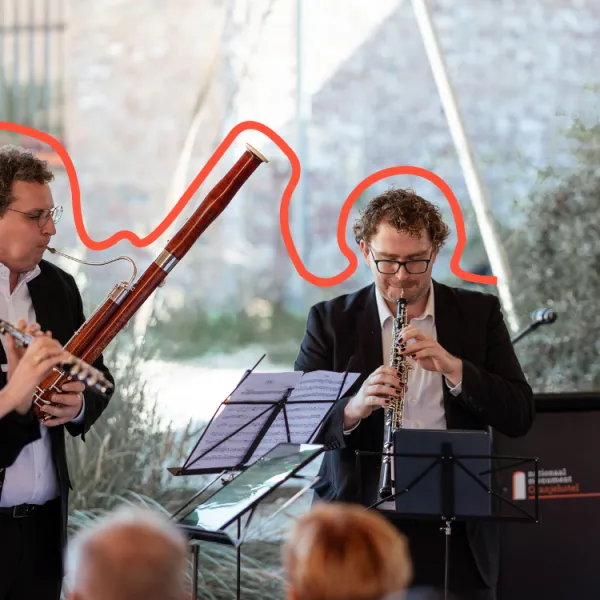
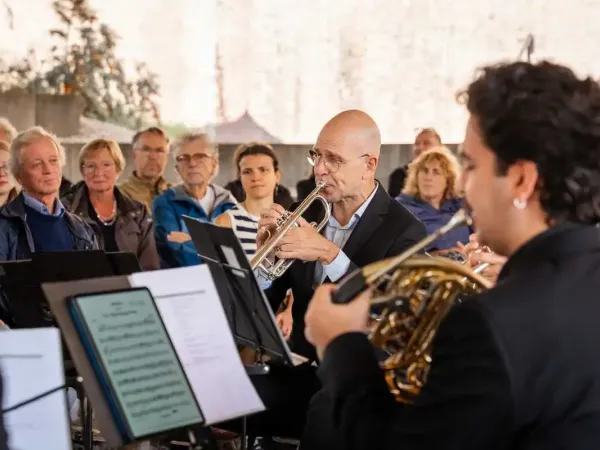
In the afternoon, we headed over to the National Monument Oranjehotel for the kick off of the Peace Concert, starting with the flag raising. The concert was a nice opportunity to sit and reflect on what peace means to us, in a place that stands as a reminder of the horrors of war. Sitting in the Oranjehotel in the now-clear weather put into perspective for me that the work of the international institutions in The Hague is not a given, as it was not so long ago that international disputes were resolved with violence and impunity.
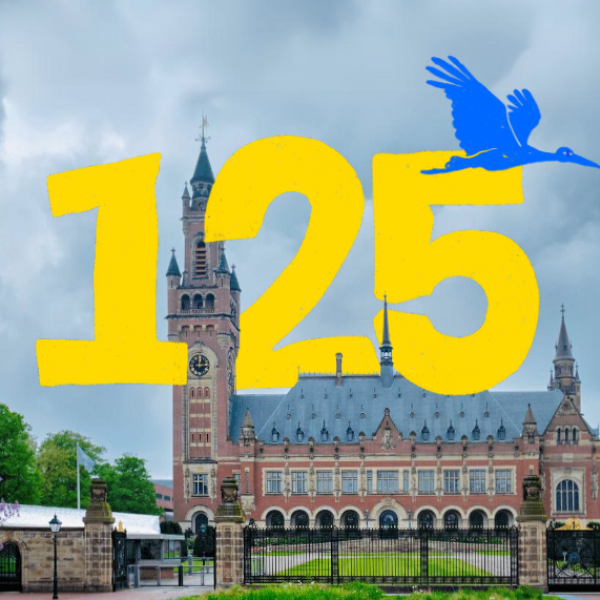
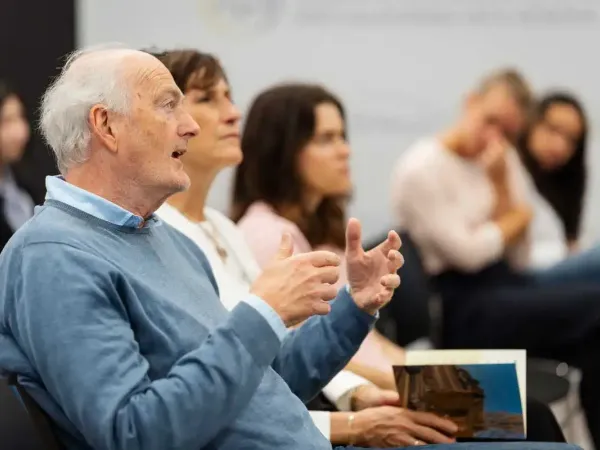
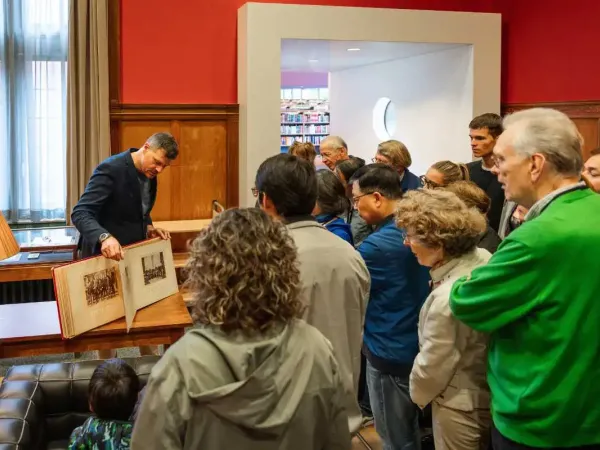
With this thought in my head, we made our way over to the Peace Palace – home to the International Court of Justice, the Permanent Court of Arbitration, and the Peace palace Library. The Palace was a beautiful sight to behold: filled with gifts and adornments from all over the world, it was a mishmash of the design styles from all the UN member countries. On the tour, we received an overview of the history of the Peace Palace, in-depth explanations of the PCA and ICJ, and plenty of opportunities to clarify what exactly the difference is between the two of them.
"Whilst rising instability is nothing to celebrate, the ICJ staff noted that they see their rising caseload as a sign of hope, as the international community still chooses to put their trust in the judicial system."
With global tensions rising, we heard that the work of the ICJ is increasing, as matters which would have previously been settled outside of the court are failing more and more to be settled externally. Whilst rising instability is nothing to celebrate, the ICJ staff noted that they see their rising caseload as a sign of hope, as the international community still chooses to put their trust in the judicial system.
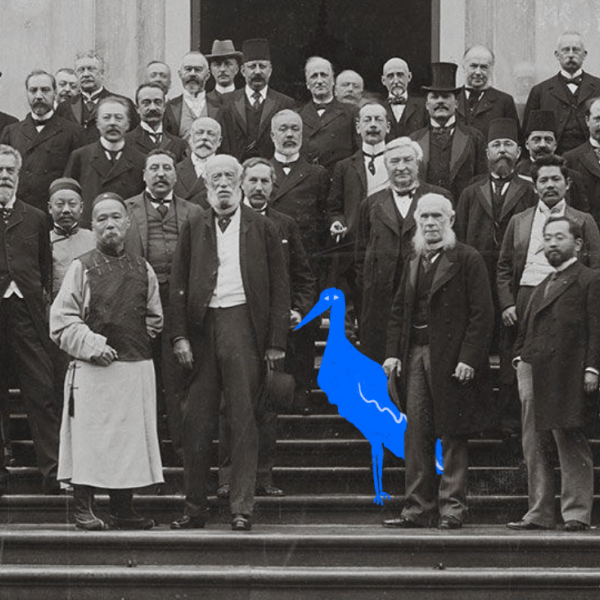
What was most special about the Open Day, for me, was the feeling of being connected to the world history of peace and justice development, through the city in which I live. My day finished with learning about the history of the first Hague Peace Conference in 1899, which resulted in the very first global mechanism for the settlement of disputes between states - the PCA. This conference of world-historical significance happened right here, in our city of peace and justice, and the work that it initiated continues to this day in the Peace Palace.
What does your city of peace and justice mean to you?
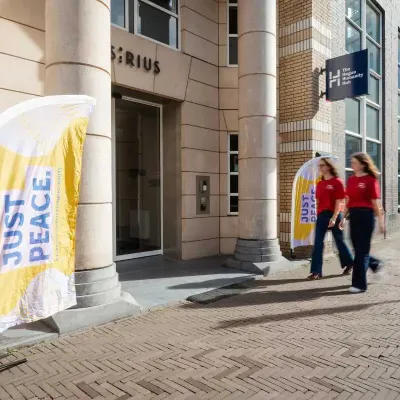
Photography by our mediapartner Holland Park Media.