Just Peace Festival: we need each other to imagine a more peaceful future
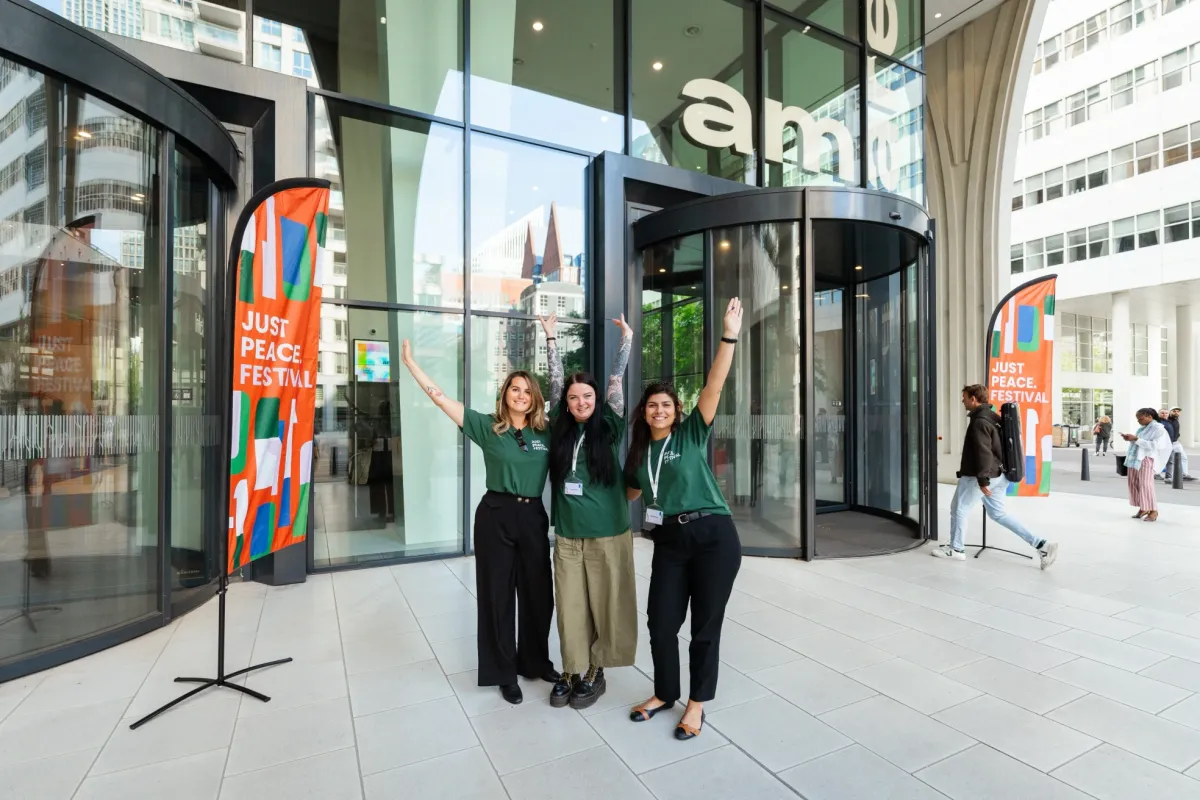
Photography by Holland Park Media
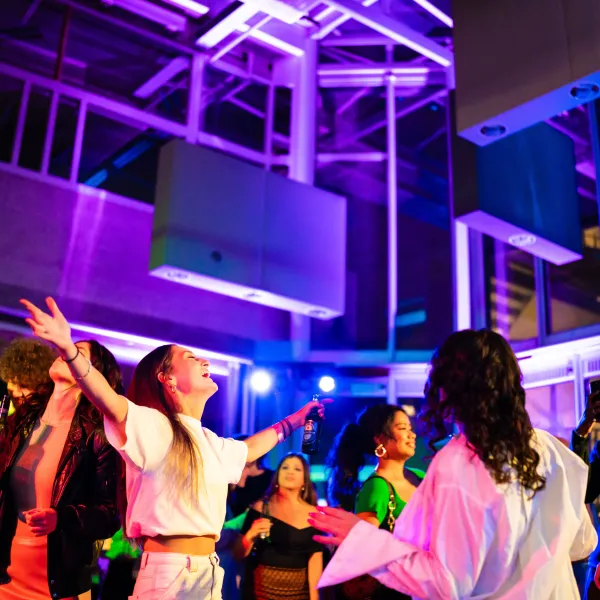
The Just Peace Festival filled The Hague with first encounters, critical conversations and sounds of community. The public engaged in dialogues, movie nights, bike parades, dance performances, exhibitions, peace expeditions, Party4Peace, Hague Talks to think about alternative pathways to peace.
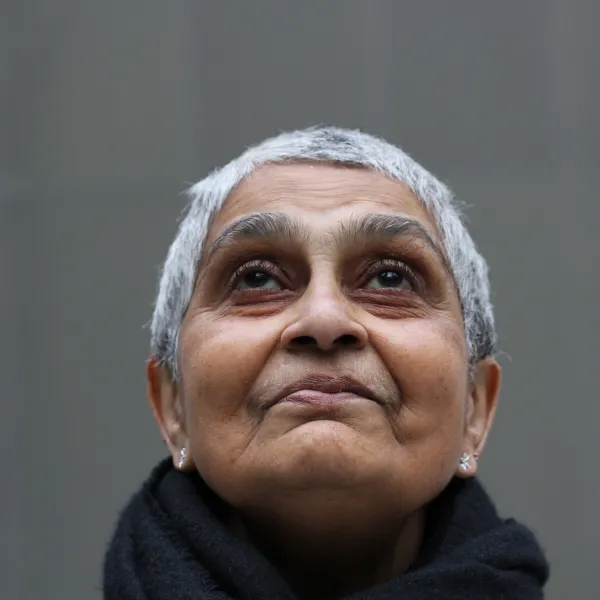
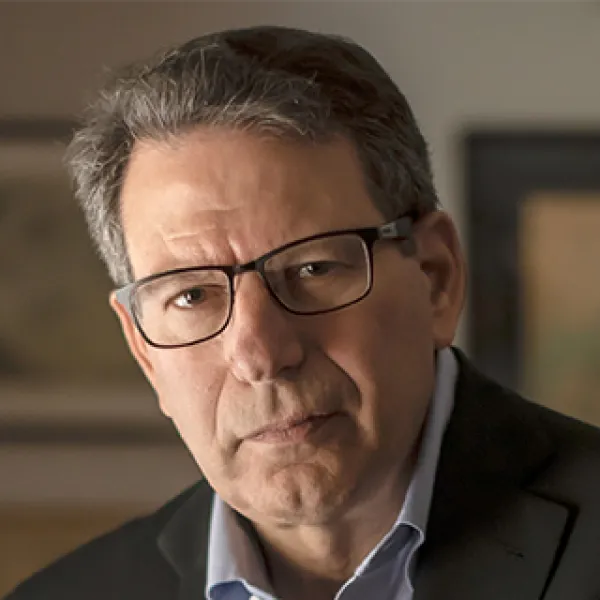
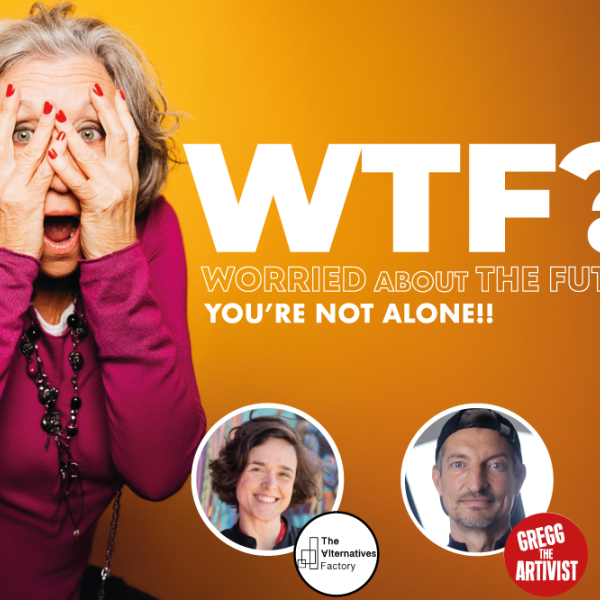
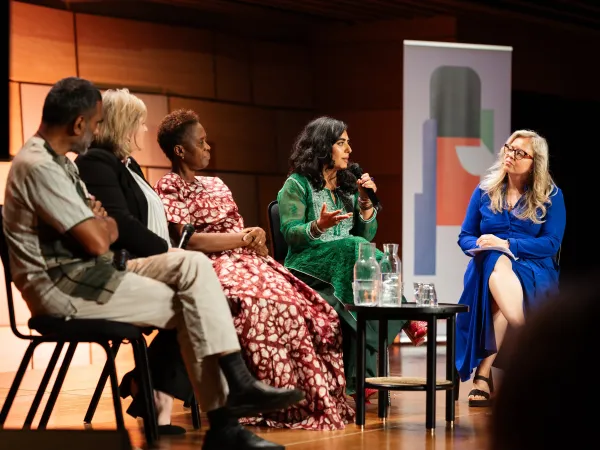
Today's global problems seem to be piling up: conflicts and geopolitical tensions, the climate crisis, increasing inequalities. Public concern about the current state of the world is increasing. Visitors at the opening of the Just Peace Festival express their fear and doubts and wonder: how can we talk about peace when so many people fear for their safety? However, we cannot turn to pessimism and surrender to despair. “It is a luxury we cannot afford,” says Kumi Naidoo, one of the many festival speakers.
So, what is it that we can do? Let us take you through the two weeks of Just Peace Festival, which offer glimmers of hope and much-needed imagination for a more peaceful future.
Call for collective action and imagination
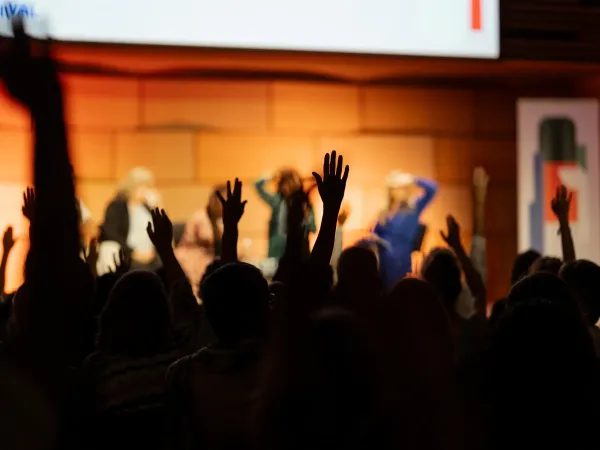
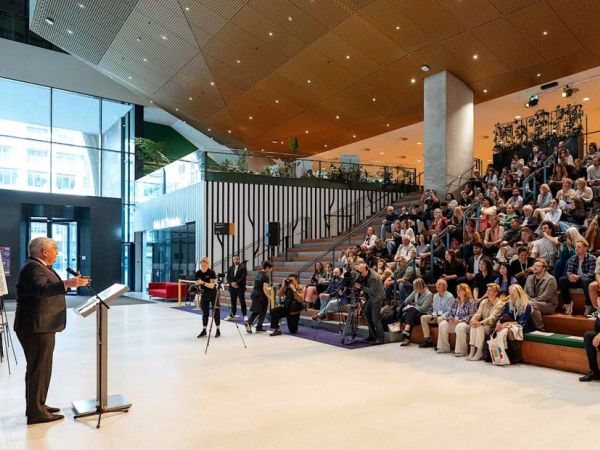
On the evening of June 11, the Just Peace Festival opened with a public statement titled “The Hague Speaks for Peace: Rebalancing Security”, introduced by The Hague Humanity Hub’s managing director Jill Wilkinson. Endorsed during the opening by Mayor Jan van Zanen and Leiden University Rector Magnificus Hester Bijl, the statement calls for a more balanced vision of peace and security: one that places people at its centre.
Today’s dominant narratives suggest military spending alone can guarantee security. Yet, true security comes from addressing root causes—inequality, exclusion, injustice—and building societies strong enough to withstand crises without resorting to violence.
Against this backdrop, the Just Peace Festival has offered an open space for civic reflection. Through two weeks of dialogues, performances, and critical conversations, the Just Peace Festival brought together citizens, thinkers, artists, youth, and activists to ask: What does peace look like in practice? What new approaches can we co-create when we centre imagination, inclusion, and lived experience?
“It’s easy to control people who are not knowledgeable,” one panelist during Just Peace Movie Night with THE WALK.
From living labs to story circles, from workshops to bike parades for peace
The first days of the festival were full of exhibition openings. Just to name a few: ‘Climate pavilion – a living lab for activism’ at Atrium Den Haag, ‘Als je vrede wil’ at KB National Library, ‘Humanity in Times of Tension’ at Amare Den Haag, ‘The Cost of Alliance’ at Stroom Den Haag and ‘The Freedom that I Breathe’ at NGO DEI.
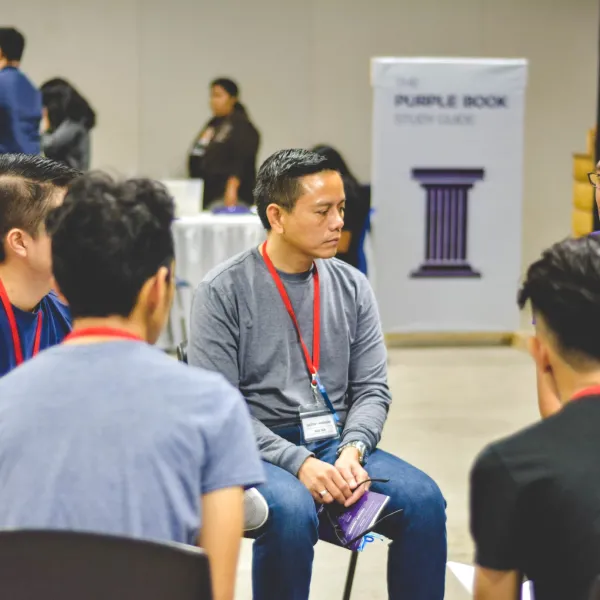
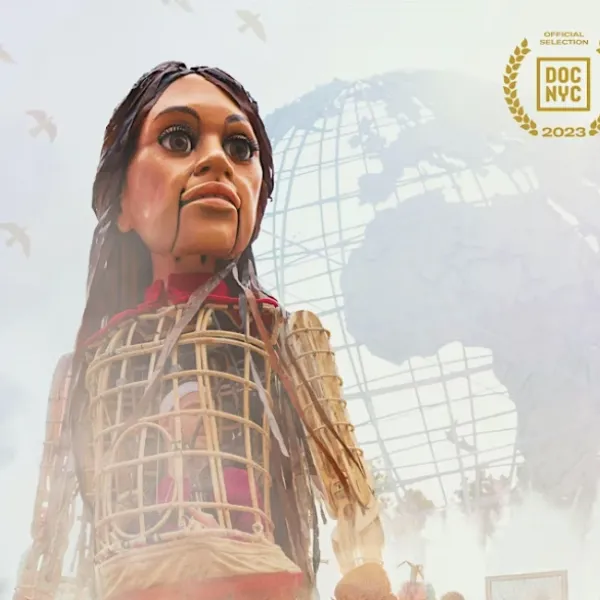
Library Ypenburg was the backdrop for the first Just Peace Movie Night, screening THE WALK. “It’s easy to control people who are not knowledgeable,” one panelist remarked, reflecting on the nature of totalitarian regimes. Wijkvereniging Zuiderpark invited residents to join the circle, sharing personal stories and views on peace.
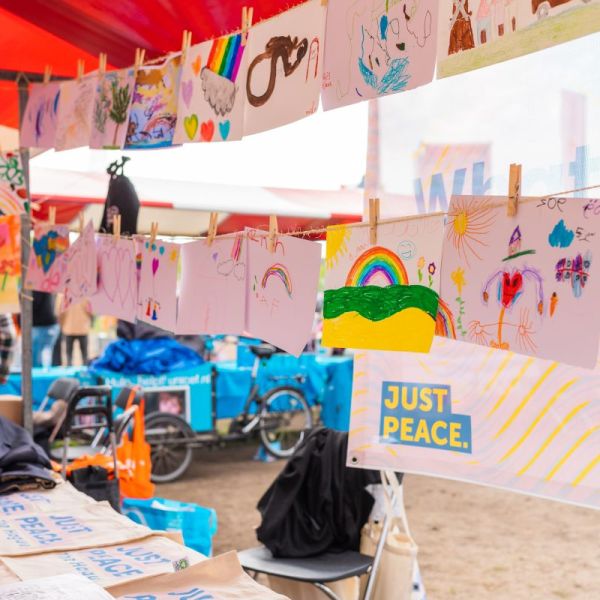
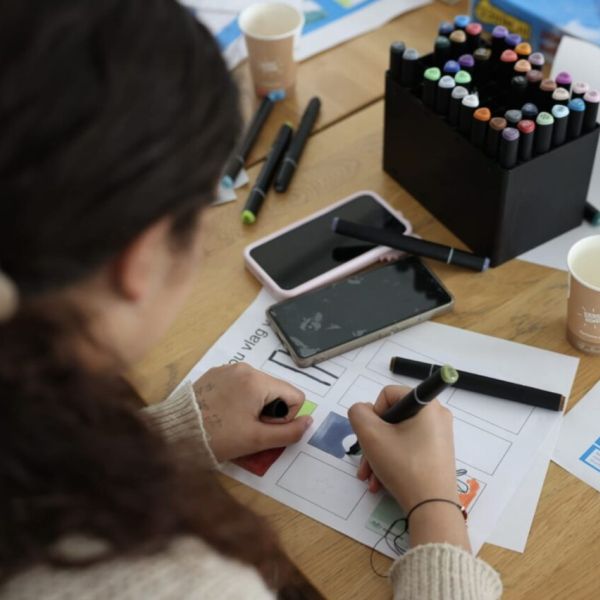
Children came to Amare to make drawings about what peace means to them, which will be part of the internationally touring exhibition “Drawing for PEACE: Creating a Culture of Peace”.
"Pessimism is a luxury we cannot afford," Kumi Naidoo during Hague Talks.
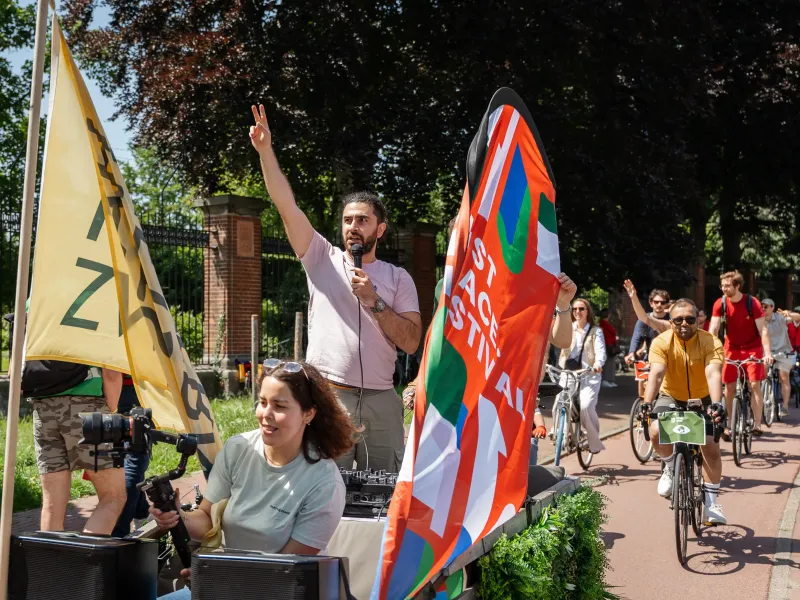
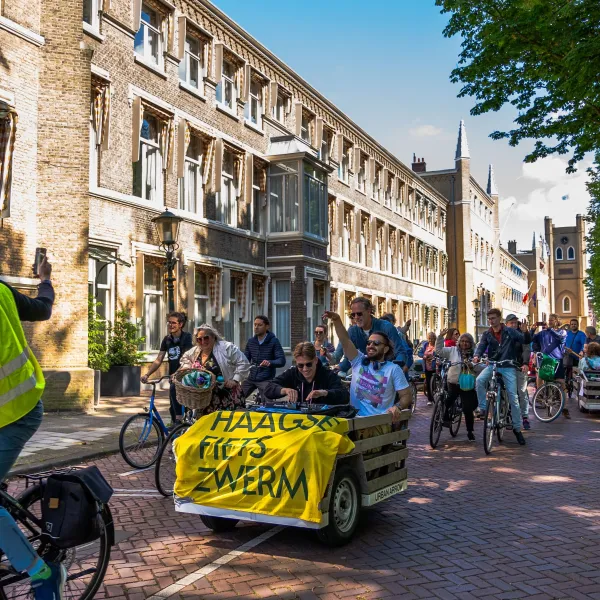
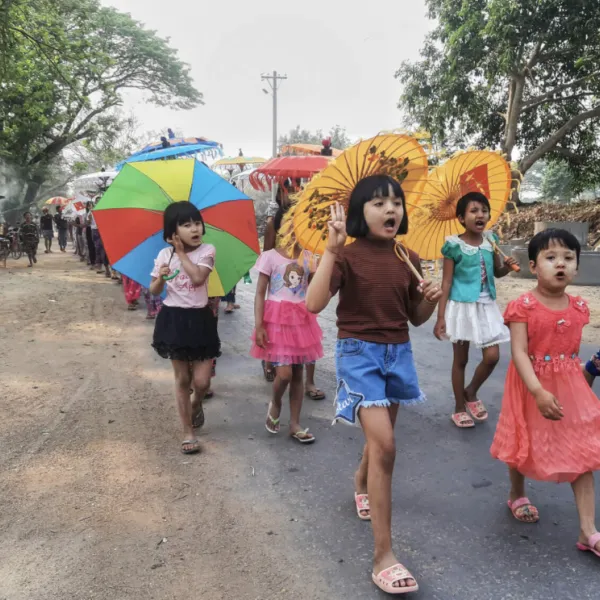
The streets of The Hague came alive with music, energy, and colour during the Just Peace Bike Parade: Ride2Peace. This wasn’t your average bike ride. This was and is a movement on wheels, a parade of everyday people showing the world that we believe in a more peaceful and just future.
Why dialogue is important even if you disagree
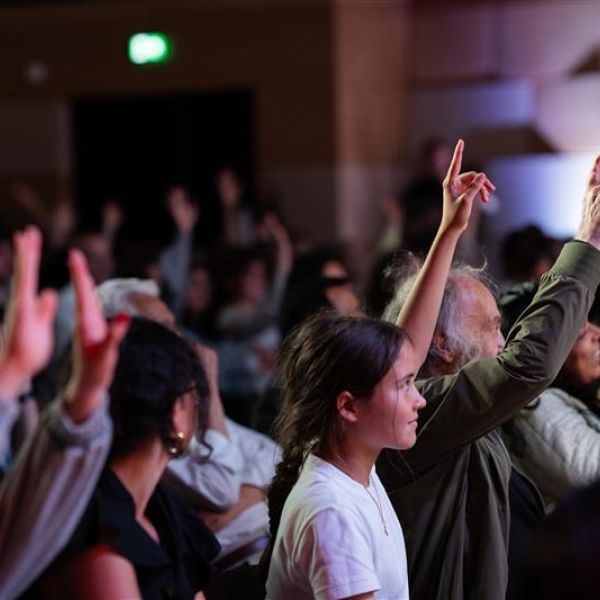
Halfway through the festival, the first Just Peace Dialogue on Imagining Peace took place at Leiden University. Speakers and participants challenged simplistic notions of peace, emphasizing the urgent need to reclaim optimism and creativity in the face of overwhelming global challenges.
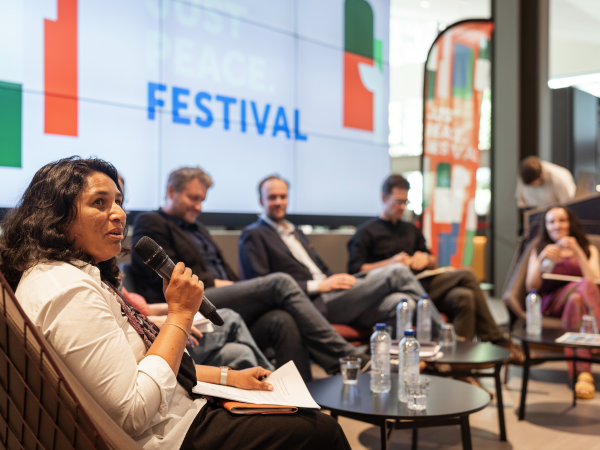
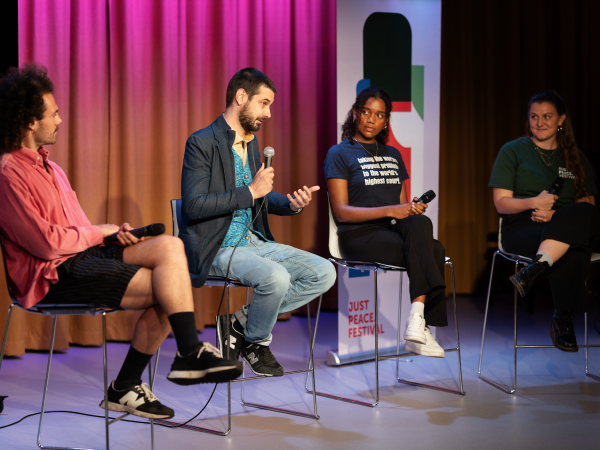
At times, conversations became heated – a sign of how deeply these issues affect us. In times of increasing polarization, it is precisely necessary to keep space for differences. The Just Peace Festival is about bringing together different perspectives, seeking out contradictions and bridging them, entering conversations and learning from yourself and each other. This is why dialogue is important even if you disagree.
"Break outside your bubble!"
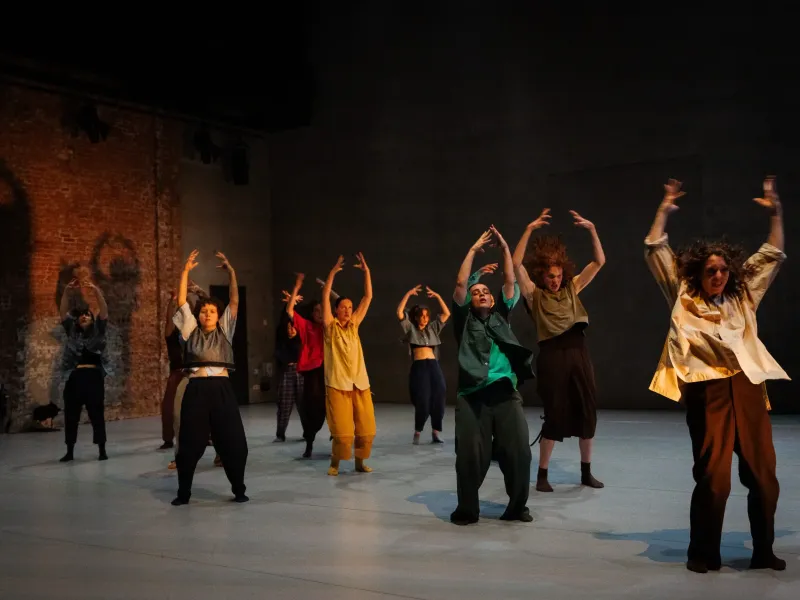
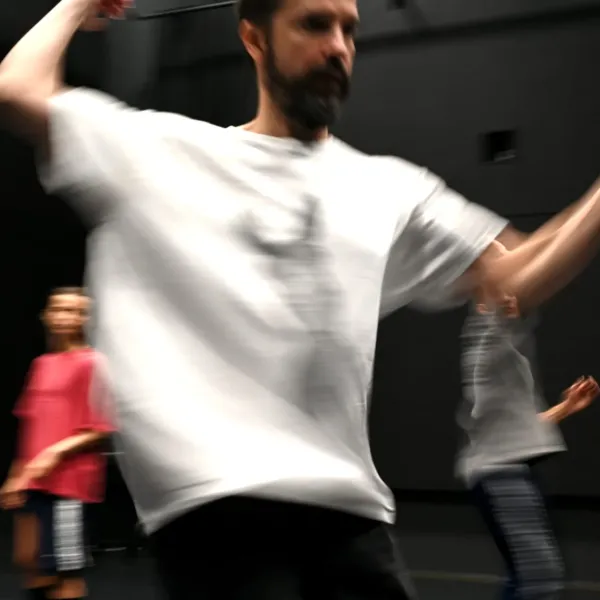
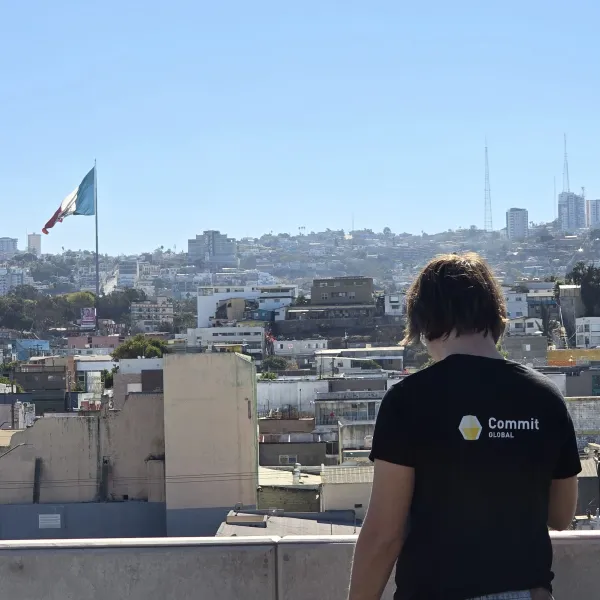
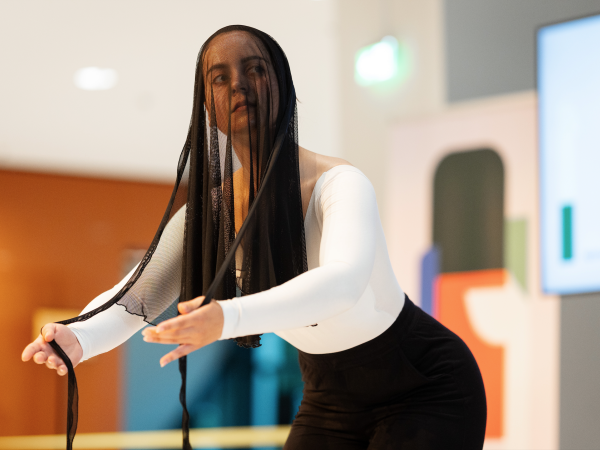
Spaces where you could break outside your bubble were found at numerous locations. Commit Global provided an open house where you could step inside the living story of humanitarian response. Queertopia built a bridge between groups that normally do not engage in conversation with each other. In their conversion machine you discovered what it means to be truly free in who you are – and how you love. Korzo Theater immersed its visitors in dance, music and performance moving through flows of freedom.
Where do we go from here?
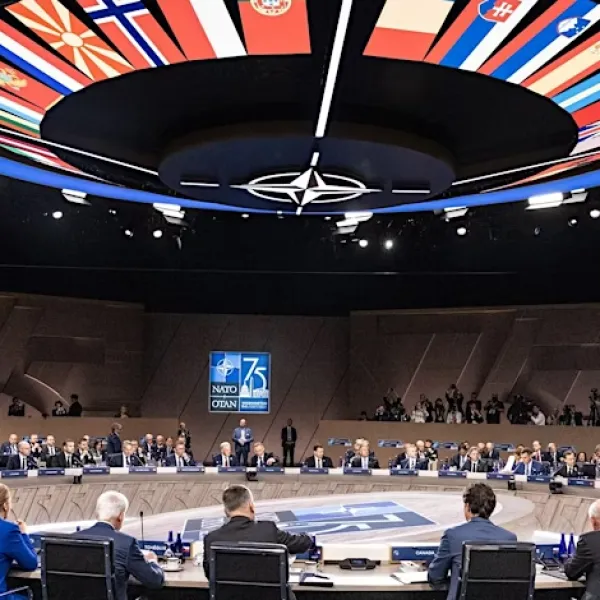
While the NATO Summit was just around the corner, the highlight of the Just Peace Festival took place the night before. Going beyond diplomatic declarations or polished panels, Hague Talks: What Is Just Peace? was an invocation. It was a collective breath, a space for reckoning with our global condition, and first and foremost: a space for imagining otherwise.
The final days of the festival showed we need each other to imagine a more peaceful future. The Just Peace Festival was and is an invitation to reimagine peace through justice, care, and connection. Lastly, the festival and its statement tell us that we must show up to the world as it could be, not just as it is.
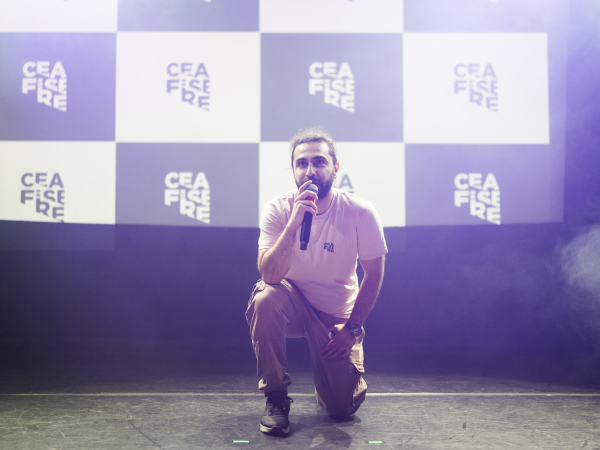
Immense gratitude to our partners Universiteit Leiden, Municipality of The Hague, and the over 150 speakers, 75 contributing organisations, 30 volunteers for turning over 70 events into reality, and the dedicated The Hague Humanity Hub team for making these vital conversations possible.
The Just Peace Festival is an initiative by The Hague Humanity Hub, the Municipality of The Hague, and Leiden University, and organised with the support of numerous contributors. It brought together artists, activists, policymakers, and citizens to reflect on alternative pathways to peace in a world engulfed in crisis.